
How to Check Criminal History in Brunswick County
Start with the event you need to confirm, not with a broad name search. The Brunswick County Sheriff's Office creates sheriff incident and detention records. The Clerk of Superior Court keeps the District and Superior Court files at the courthouse in Bolivia. The North Carolina State Bureau of Investigation, or NCSBI, holds fingerprint-supported arrest cycles and any linked dispositions it has received. Each source has its own scope and update rhythm.
Have the full name, spelling variants, an approximate event date, and a case, report, or booking number when one is known. Date of birth can help distinguish similar names, but public portal results may mask part of that field. Use stable case and report numbers when possible. Then compare charge wording and the result date across the agency, booking, and court sources.
- Search North Carolina eCourts for a filed Brunswick County case, or use the clerk's public terminal for a local court search.
- Check the sheriff's current inmate roster when the issue is a recent booking. Released results normally reach back only 24 hours.
- Ask the arresting police agency or sheriff for the original incident or arrest report.
- Read each charge and disposition in the court file. A booking allegation may not be the charge the prosecutor filed.
- For a fingerprint-based review of your own North Carolina record, submit an NCSBI Right to Review packet.
For records that are not posted, the county's official public-record routing page shows why court, sheriff, and county administrative requests must go to different custodians.
The routing page is a useful first check because a general county form cannot supply a Judicial Branch case file or a city police report.
Three Brunswick County Criminal Record Custodians
A booking record, court case, and SBI cycle can all stem from one arrest while showing different facts. Brunswick County detention staff record custody, charges supplied at intake, bond, and release status. The clerk records the case number, hearings, filed charge, plea, judgment, and sentence. NCSBI organizes a criminal history by fingerprint-supported arrest cycle and adds a disposition when it is reported.
The split explains many apparent conflicts. A charge can be revised after booking. A court case can end while the SBI entry still says that no disposition is available. A person can leave the jail roster while the court file remains open. Treat each source as a view of one stage instead of forcing all three into a single snapshot.
| Source | Best for | Main limit |
|---|---|---|
| BCSO detention | Current custody, booking, bond, recent release | Released web view is normally limited to 24 hours |
| Clerk and eCourts | Filed charges, events, disposition, sentence | Not every document image is online |
| NCSBI Right to Review | Your fingerprint-supported North Carolina history | Disposition data may be missing or delayed |
Official North Carolina Background Checks
North Carolina does not offer the public an instant statewide SBI name-search product. For self-review, NCSBI uses the fingerprint-based Right to Review process. The applicant supplies a completed form, a legible ten-print card, and a $14 certified check or money order. The response covers North Carolina arrests received with fingerprints and associated dispositions when available. It does not cover other states or replace a national FBI identity-history request.
The NCSBI Right to Review instructions show the official self-review route and its mail requirements.
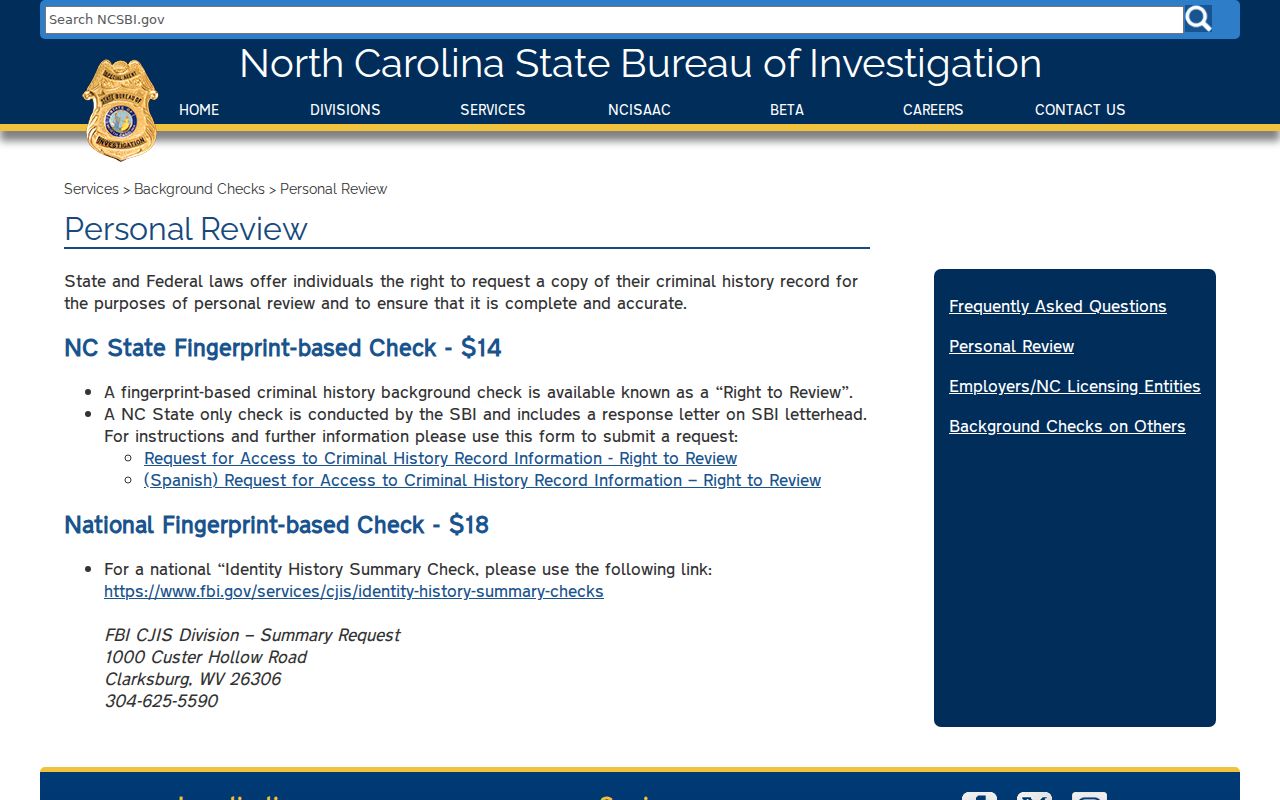
This fingerprint route reduces errors from common names, but the subject should still compare missing or unclear dispositions with the Brunswick County clerk's case file.
NCSBI CIIS Applicant Unit
Right to Review
P.O. Box 29500
Raleigh, NC 27626-0500
$14 certified check or money order
Brunswick Criminal Court
310 Government Center Drive NE, Unit 1
Bolivia, NC 28422
910-253-3902
Weekdays, 8:30 a.m. to 5 p.m.
Brunswick County Criminal History Fingerprints
Brunswick County residents can schedule fingerprinting through the sheriff's appointment page for the Bolivia office or the north and south substations. Bring government photo identification that shows a Brunswick address. If the requesting agency needs electronic submission, also bring its Electronic Submission Form. NCSBI no longer supplies blank fingerprint cards, so confirm card needs before the visit.
The image below comes from the NCSBI fingerprint instructions used for North Carolina criminal history submissions.
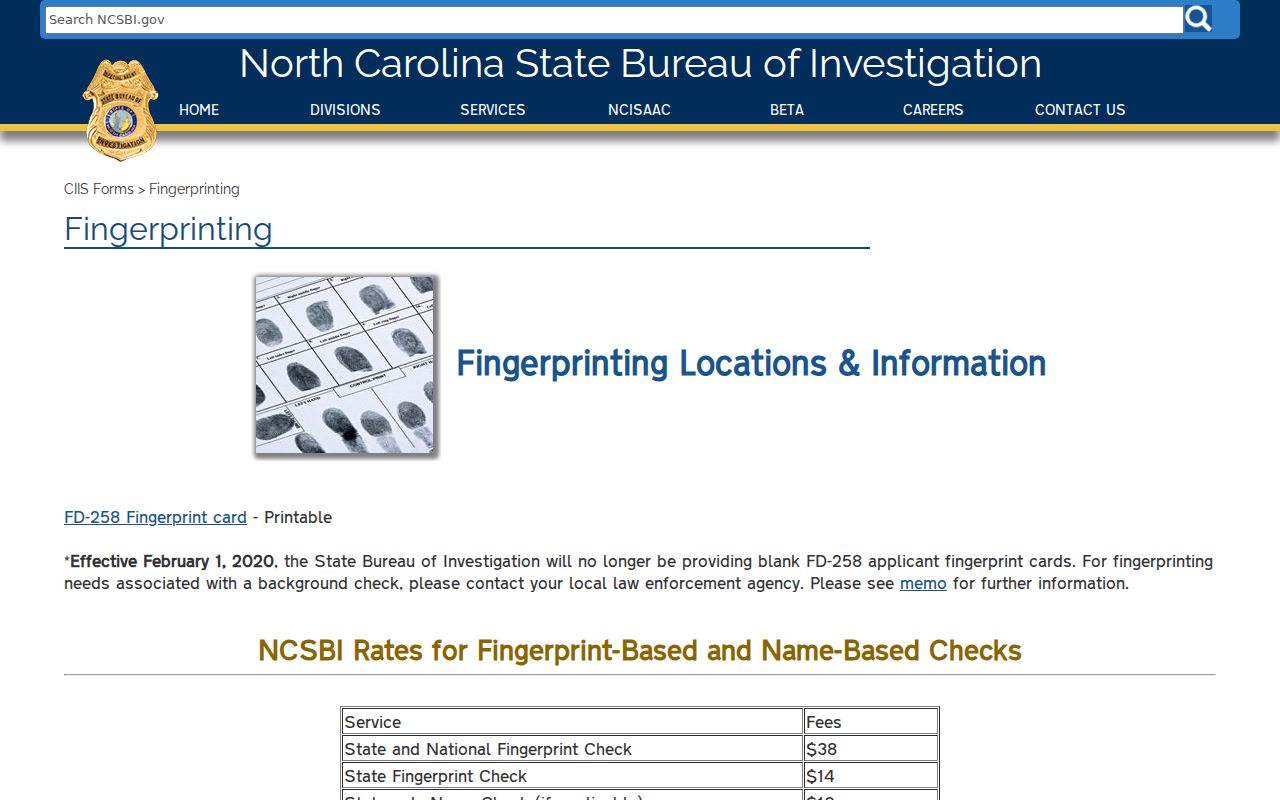
Two fingerprint cards, or electronic submission plus one card, cost $10. Each added card costs $5, while the separate NCSBI self-review fee remains $14.
| Item | Amount |
|---|---|
| BCSO service with two cards | $10 |
| BCSO electronic submission plus one card | $10 |
| Each extra fingerprint card | $5 |
| NCSBI Right to Review response | $14 |
Types of Brunswick County Criminal Records
Criminal records are made at several points. An incident or arrest report comes from the agency that investigated the event. The Brunswick County Detention Center creates a booking entry when a person enters custody. The clerk opens a case file when a charge reaches District or Superior Court. Fingerprints may create an NCSBI arrest cycle, while NCDAC starts a correctional or supervision record after a qualifying judgment.
Warrants and other process sit with the issuing court and serving agency. Registry profiles have a separate legal purpose and are maintained through sheriff verification and the statewide NCSBI registry. None of these sources should be treated as proof that an allegation led to conviction.
North Carolina felony classes run from A through I, while misdemeanors use A1, 1, 2, and 3. The class is only one part of sentencing. Prior-record level and the applicable structured-sentencing range also matter, and a class shown at booking may change after prosecutor review.
- Booking record
- The jail's custody entry, including intake, charge, bond, and status information.
- Case file
- The clerk's record of filed charges, hearings, pleas, judgments, and sentence.
- SBI cycle
- A fingerprint-supported arrest event with a later disposition when NCSBI receives it.
- Disposition
- The result for one charge, such as dismissal, acquittal, or conviction.
- Supervision record
- NCDAC information about prison, probation, parole, or post-release status.
Brunswick County Jail Records End Fast
The sheriff's inmate search is a current-custody tool, not a full arrest archive. It normally separates current inmates from released inmates, and the released search reaches back only 24 hours. The interface can also exclude selected people at the sheriff's discretion. A missing result may reflect release, transfer, maintenance, delay, or the site's stated limits. It does not prove that no arrest occurred.
When the roster no longer shows the entry, call detention at 910-253-2760 for current custody or bond information. Then request the agency report and check eCourts for filed charges. The free Brunswick County Sheriff app also advertises inmate search, alerts, registry information, Most Wanted, and crime-tip tools. Its Most Wanted list is curated, not a full active-warrant database.
The 444-bed detention center handles county bookings. NCDAC's state locator does not include this local jail. The distinction matters when a person moves from pretrial custody to a state sentence or begins community supervision. North Carolina's Offender Public Information Search shows that state correctional side of Brunswick County criminal history.
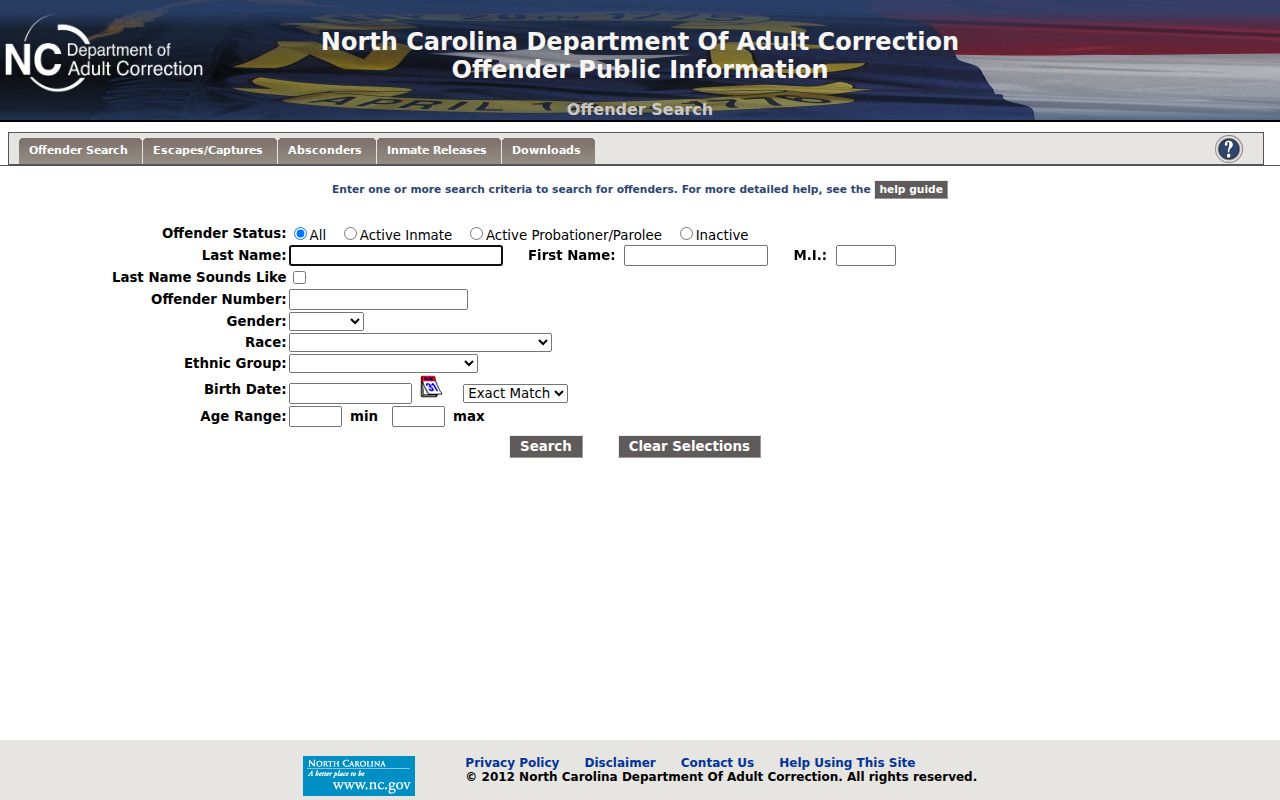
The state locator reaches back to 1972 and covers prisoners, probationers, and parolees, but it should never be used as a substitute for the BCSO roster.
What a Brunswick County Criminal Record Shows
The fields depend on the custodian. A sheriff report can identify the reported time, place, allegation, agency, officer, and narrative. Booking adds a booking number, intake time, charge list, bond, fingerprints, photo, and custody status when those fields are public. A court case organizes events by case and charge, while an SBI review organizes them by arrest cycle.
Names alone are weak identifiers. Compare the case number, dates, arresting agency, and charge sequence. Portal birth dates may be masked in ordinary public display. A charge-by-charge reading is essential because one count can be dismissed while another ends in judgment.
| Name and identifiers | Names, aliases, birth data where public, agency identifiers, and fingerprint transaction details in an SBI response. |
|---|---|
| Arrest and booking | Agency, event time, booking number, custody status, and bond information. |
| Charges and statutes | Alleged or filed offense text, code section, class, and charge sequence. |
| Case events | Filing, service, hearings, continuances, pleas, and judgment entries. |
| Disposition | The outcome of each charge, with its entry date when reported. |
| Sentence or supervision | Costs, fines, custody, probation, parole, or post-release information where public. |
Fix Missing Brunswick County Criminal Dispositions
“No disposition available” on an NCSBI response is not a conviction. It means that the linked result was not present in the repository response. Search the Brunswick County court file and read the outcome for each charge. If the portal is unclear, call Criminal Court at 910-253-3902 or inspect the paper file at the clerk's counter.
If the court file confirms an outcome that is missing or wrong in your SBI history, use NCSBI's written exception process. Send the Right-to-Review Criminal History Record Written Exception Form to the CIIS NICS/CCH Unit Supervisor. Include the source documents the form calls for. Keep copies and use case and transaction numbers so the agencies can match the right event.
North Carolina eCourts became Brunswick County's case platform in February 2025. The official eCourts search guidance explains Smart Search, case-number patterns, wildcards, and filters.
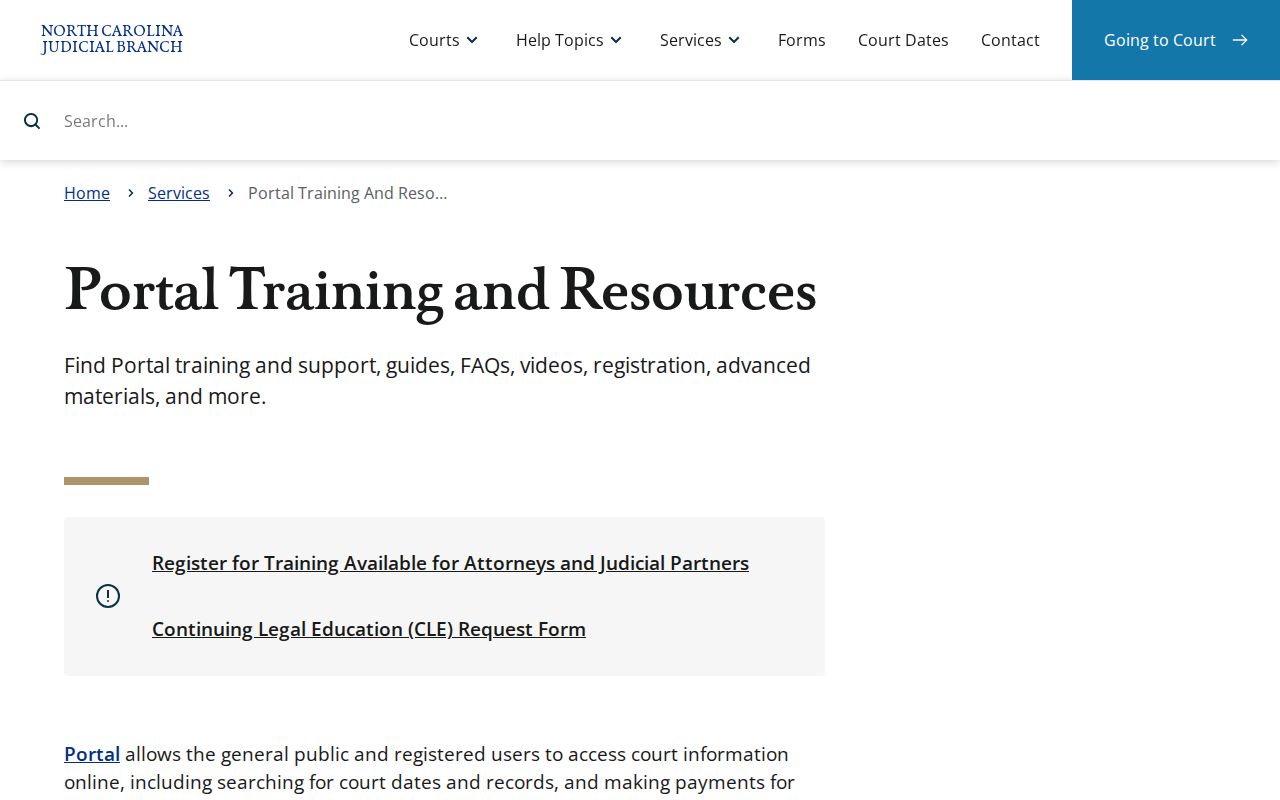
A converted portal timestamp can show midnight as a data artifact, so use the register of actions and source document rather than reading extra meaning into the time.
Public Access Laws
North Carolina Public Records Law governs many Brunswick County agency records, while court access also rests on Judicial Branch law and rules. The law permits inspection and copies of public records at reasonable times. It also allows actual copy cost and, for an unusually broad request, a reasonable special service charge tied to extensive staff or technology use.
Police investigative files are not fully open merely because basic arrest facts are public. A focused request can seek the time, place, nature of a reported violation, arrest information, and other public categories. Active investigative details, victim or witness safety material, juvenile information, sealed cases, and protected identifiers may be withheld or redacted.
Key North Carolina access rules:
G.S. 132-1 defines public records broadly.
G.S. 132-6 covers inspection and copies at reasonable times.
G.S. 132-6.2 sets actual-copy and special-service charge rules.
G.S. 132-1.4 separates public arrest facts from restricted investigative material.
G.S. 7A-109 governs court records, copies, and remote access.
Brunswick County Criminal Records Request Routes
Send a request to the agency that made the record. Sheriff incident, arrest, booking, detention, and 911 material goes to BCSO. A Leland, Oak Island, or Southport police report stays with that city department. Court files and formal clerk searches go to the Judicial Branch. County administrative records go to the county department that conducts that part of public business.
The BCSO records request form asks for request type, names, contacts, date, incident details, people involved, and delivery choice. Digital delivery is preferred. BCSO targets completion within 10 business days, retains 911 audio for six months, and does not transcribe calls. If email delivery is not possible, call 910-253-2605 to arrange pickup in Bolivia. No fee is posted in the official source.
Use the form's “FOIA Request” label when it fits the interface, but remember that federal FOIA does not govern this county office. Chapter 132 is the controlling state access law. Narrow dates and identify the report number when possible. If part of a file is protected, ask the custodian to separate and release the public portions.
Sealed, Expunged & Restricted
North Carolina uses “expunction” as its main statutory term. The state has several eligibility laws, not one broad rule. Dismissed or not-guilty charges may fall under G.S. 15A-146, while certain convictions use G.S. 15A-145.5 and its waiting and eligibility terms. Juvenile matters follow separate rules. An ordinary public search also excludes sealed cases, protected identifiers, and confidential material.
File a Brunswick County petition with the Clerk of Superior Court where the charge or conviction arose. The general fee is $175. Dismissed or not-guilty matters usually carry no fee unless dismissal followed diversion or deferred prosecution. Some petitions need affidavits, certified records, checks, or a hearing. Processing can take months, and federal consequences may remain after state relief.
The Judicial Branch's North Carolina expunction page links the statute-specific forms and filing guidance.
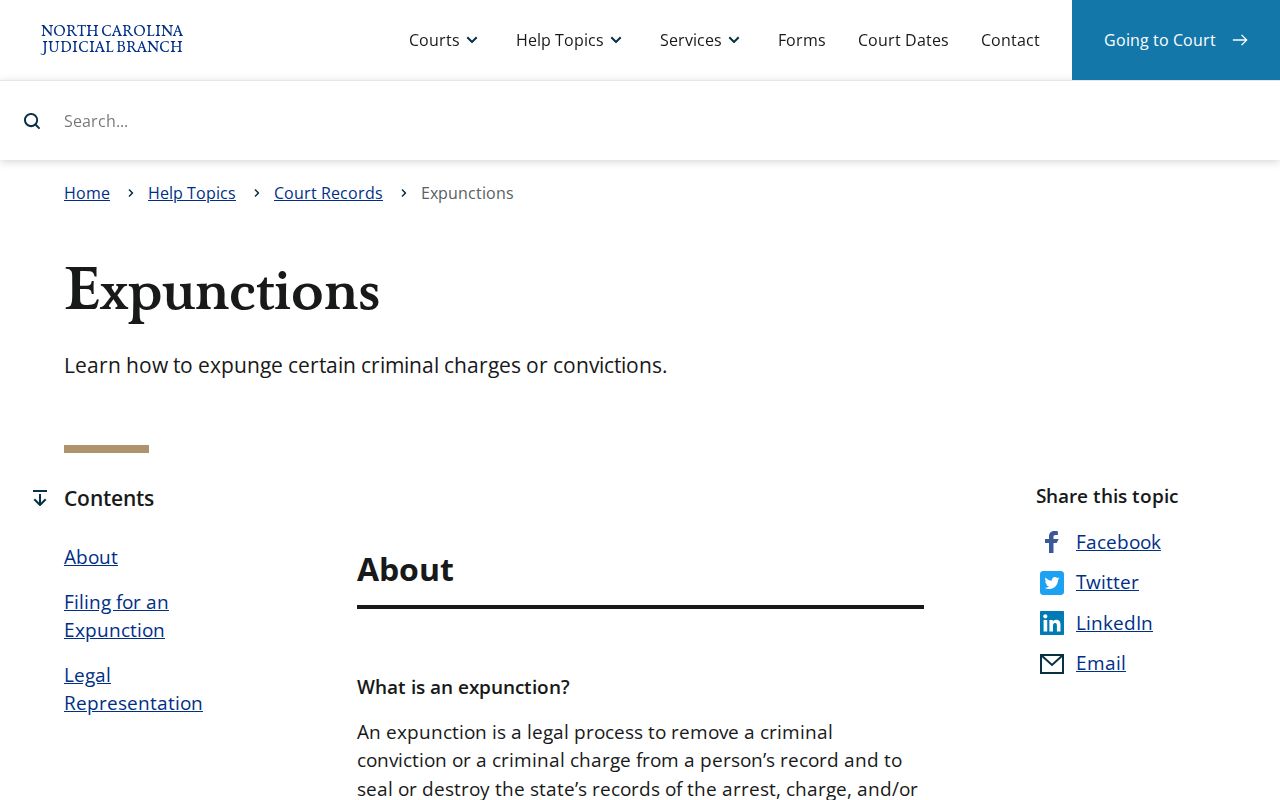
If an expunged Brunswick County case still appears after agencies have had time to process the order, contact the clerk and request AOC verification through the prescribed notarized mail form.
Brunswick County Criminal Warrant Checks
No verified public Brunswick County active-warrant name database was found. The jail roster, eCourts, and the sheriff app's Most Wanted feature answer related but narrower questions. Absence from those sources cannot clear a warrant. Active or sealed investigative process may also be withheld from public view.
To resolve your own possible warrant, contact the issuing clerk or magistrate through 910-253-3900 and BCSO at 910-253-2777. Check the related case in eCourts, and contact a city police department if the process began with that agency. Ask for current surrender and bond directions rather than acting on an old web entry. Counsel can also obtain case-specific advice and help plan a safe response.
Bench warrants or orders for arrest can arise from failure to appear or noncompliance. They may not read like the first charge in a booking entry. Write down the case number before visiting the courthouse because cell phones, vapes, food, drink, and several other items are barred from entry.
Criminal Records by City in Brunswick County
The top three incorporated municipalities use different local record routes. Leland and Oak Island have their own police departments, so their incident reports do not begin with a county administrative request. St. James has no municipal police force and routes law-enforcement records to BCSO. All three send criminal court matters into the unified Brunswick County District or Superior Court system in Bolivia.
Use the city pages for police and town-level request details. Booking, filed charges, and statewide history still move through Brunswick County and North Carolina custodians even when the first report began inside a municipality.
Leland Criminal History
2024 estimate: 34,451. Leland Police keeps city reports; county courts keep filed cases.
Oak Island Criminal History
2024 estimate: 9,322. Oak Island Police and the town clerk have distinct request roles.
St. James Criminal History
2024 estimate: 7,315. BCSO, not Town Hall or gate security, holds police records.
Brunswick County Criminal Supervision Records
Probation, post-release supervision, and parole are state-run through the North Carolina Department of Adult Correction. Brunswick County does not operate a county probation department. The local probation line is 910-253-7803, while NCDAC's locator supplies public prison and supervision status. The Post-Release Supervision and Parole Commission makes parole and post-release decisions, and NCDAC officers supervise the resulting terms.
The NCDAC Community Supervision page describes the state structure used for Brunswick County cases.
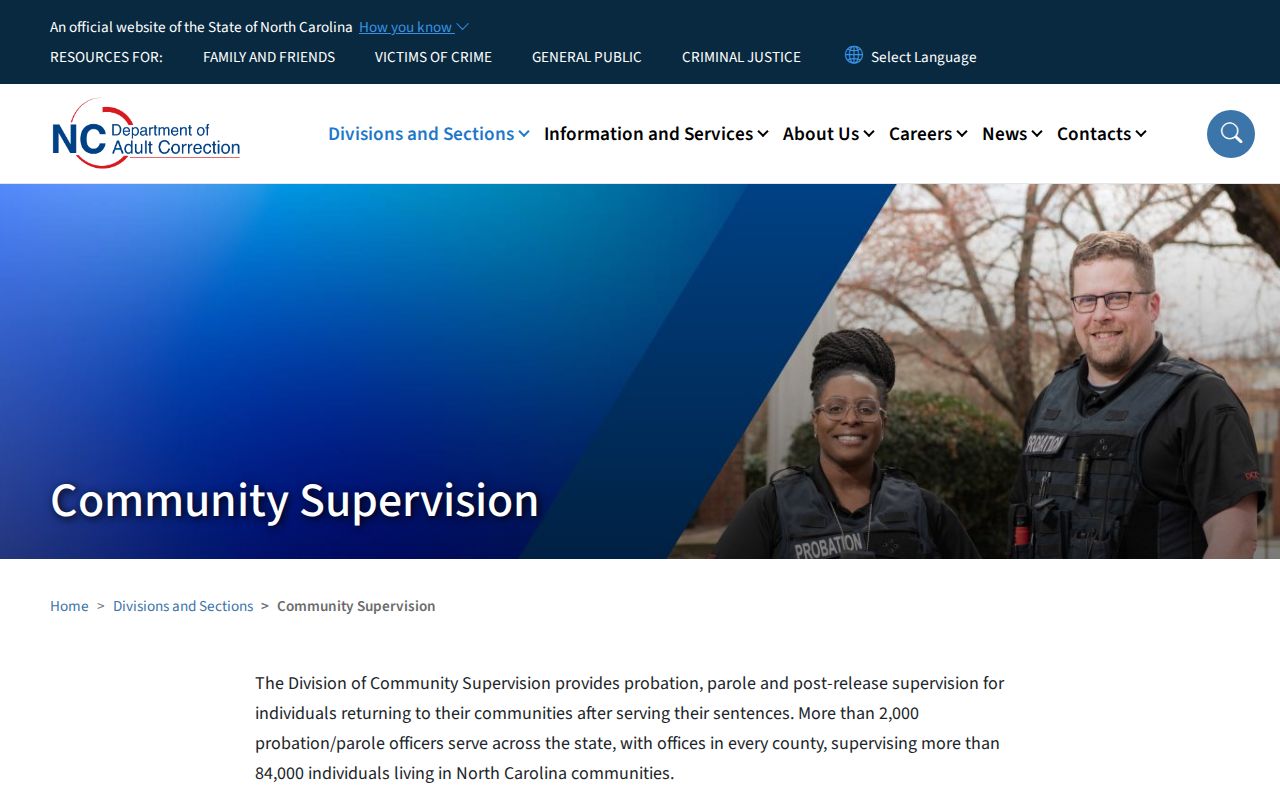
Portal can accept some probation or parole fee payments, but it is not the source for live supervision status. Verify reporting and location questions through the local NCDAC office.
BCSO also operates a distinct GPS-monitored pretrial release program. That status comes before judgment and is not probation. Its ankle monitors are tracked around the clock. The sheriff's Anchor Initiative, available at 910-363-7880, can connect people affected by addiction with assessment and treatment. Entry may occur through self-referral, social referral, or officer contact, but it does not promise dismissal or expunction.